
Heart Failure: Understanding the Condition and Managing Your Heart Health
Introduction
Heart failure is a condition that occurs when the cannot pump blood efficiently to meet the body’s needs for oxygen and nutrients. Despite the term, does not mean that the has stopped working completely. Instead, it signals that the heart is functioning below its normal capacity.
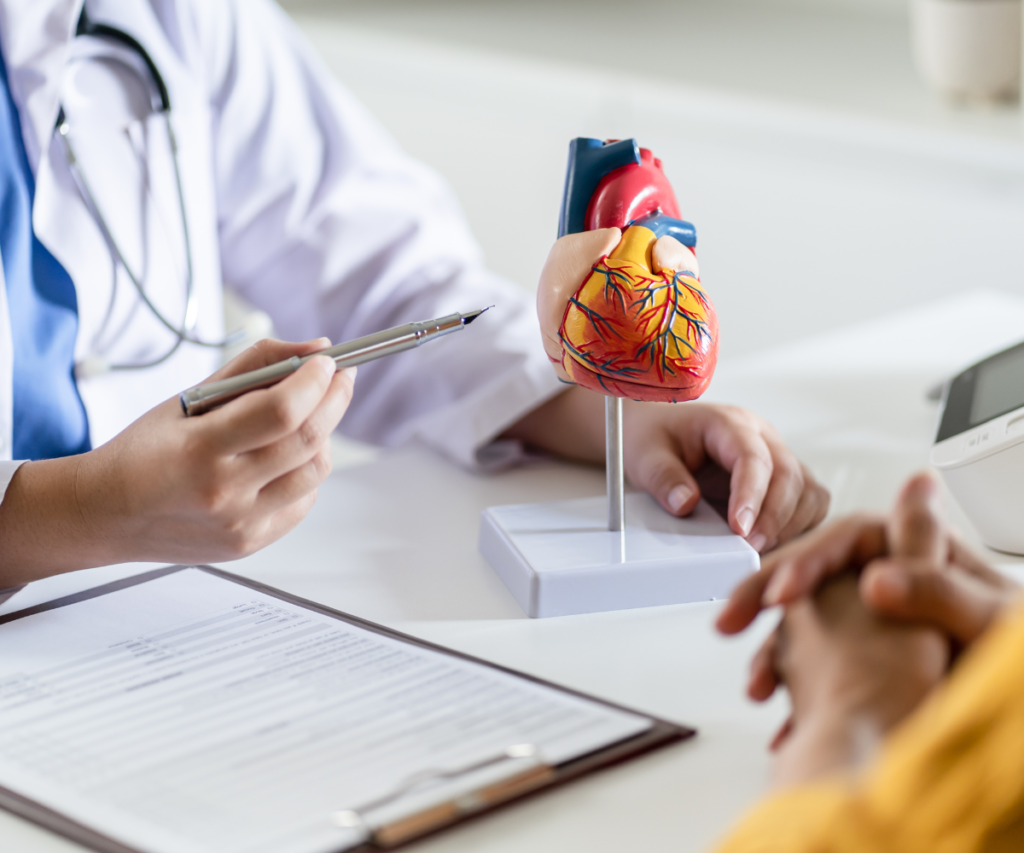
This condition can affect people of all ages and may develop gradually over time. Understanding how works, its causes, types, symptoms, and management strategies is essential for maintaining quality of life and preventing complications. This guide explains function, how develops, and how lifestyle changes and medical interventions can help manage the condition.
How the Heart Normally Works
The heart is a muscular pump slightly larger than a fist, responsible for circulating blood to the entire body. The heart has four chambers:
- Two atria (upper chambers) – The right atrium receives oxygen-poor blood from the body, while the left atrium receives oxygen-rich blood from the lungs.
- Two ventricles (lower chambers) – The right ventricle pumps blood to the lungs for oxygenation, and the left ventricle pumps oxygen-rich blood to the body.
A healthy heart beats in a coordinated rhythm, allowing efficient circulation of blood to all tissues. Oxygen and nutrients are delivered to cells, and waste products like carbon dioxide are removed.
What Is Heart Failure?
Heart failure occurs when the cannot pump enough blood to meet the body’s needs. This can result from weakened heart muscles, stiff heart walls, or other structural issues. The condition often develops gradually, and the body initially tries to compensate in several ways:
- Heart enlargement: The heart stretches to pump more blood per beat.
- Increased muscle mass: Heart muscle cells grow to improve contraction strength.
- Faster heart rate: The heart beats more rapidly to increase output.
- Blood vessel constriction: Vessels narrow to maintain blood pressure.
- Fluid retention: Kidneys retain salt and water, increasing blood volume.
While these mechanisms temporarily support circulation, they eventually strain the heart and worsen the condition over time. Heart condition.
Symptoms of Heart Failure
Symptoms often develop gradually and can include:
- Fatigue and weakness
- Shortness of breath during daily activities or at rest
- Persistent coughing or wheezing
- Swelling in the legs, ankles, or feet
- Difficulty sleeping due to breathlessness
- Rapid or irregular heartbeat
- Reduced ability to exercise
Early detection is crucial, as symptoms can be subtle and may go unnoticed for years.
Causes of Heart Failure
Heart can result from a variety of underlying conditions:

- Coronary artery disease (CAD): Narrowed or blocked arteries reduce blood flow to the heart.
- High blood pressure (hypertension): Increases the heart’s workload over time.
- Heart attack (myocardial infarction): Damages heart muscle, reducing pumping ability.
- Cardiomyopathy: Disease of the heart muscle.
- Heart valve disorders: Malfunctioning valves disrupt blood flow.
- Congenital heart defects: Structural abnormalities present from birth.
- Other factors: Diabetes, obesity, sleep apnea, infections, and lifestyle factors like excessive alcohol consumption or smoking.https://youtu.be/We3RxI98d4I
Types of Heart Failure
Heart failure can affect different parts of the heart:
Left-sided heart failure
- The left ventricle cannot pump blood efficiently.
- Leads to fluid buildup in the lungs, causing shortness of breath and coughing.
Right-sided heart failure
- Often develops after left-sided failure.
- Causes fluid buildup in the body, leading to swelling in legs, feet, and abdomen.
Diastolic heart failure
- The heart cannot relax properly between beats.
- Reduces the amount of blood filling the ventricles.
Systolic heart failure
- The heart cannot contract effectively.
- Reduces the amount of blood ejected with each beat.
Complications of Heart Failure
- Kidney damage due to reduced blood flow
- Liver congestion and impaired function
- Heart rhythm disturbances
- Increased risk of stroke
- Reduced quality of life
Diagnosing Heart Failure

Diagnosis typically involves a combination of:
- Physical examination: Checking for swelling, lung congestion, and heart sounds
- Imaging tests: Echocardiogram, chest X-ray, MRI
- Blood tests: BNP or NT-proBNP levels to assess heart stress
- Electrocardiogram (ECG): To detect abnormal heart rhythms
- Stress tests: To evaluate exercise tolerance
Managing Heart Failure
Heart failure management involves a combination of medication, lifestyle changes, and medical procedures:
Medications
- ACE inhibitors or ARBs
- Beta-blockers
- Diuretics for fluid management
- Aldosterone antagonists
Lifestyle Changes
- Reduce salt intake
- Maintain a healthy weight
- Exercise regularly within safe limits
- Avoid smoking and limit alcohol
- Monitor fluid intake and track symptoms
Medical Devices & Surgery
- Pacemakers or defibrillators
- Heart valve repair or replacement
- Ventricular assist devices
- Heart transplant in severe cases
Living with Heart Failure
With proper management, people with can lead fulfilling lives. Regular monitoring, adherence to medication, healthy lifestyle habits, and support from family and healthcare professionals are crucial.
Education about, symptom recognition, and early intervention improves quality of life and reduces hospitalizations.
Conclusion
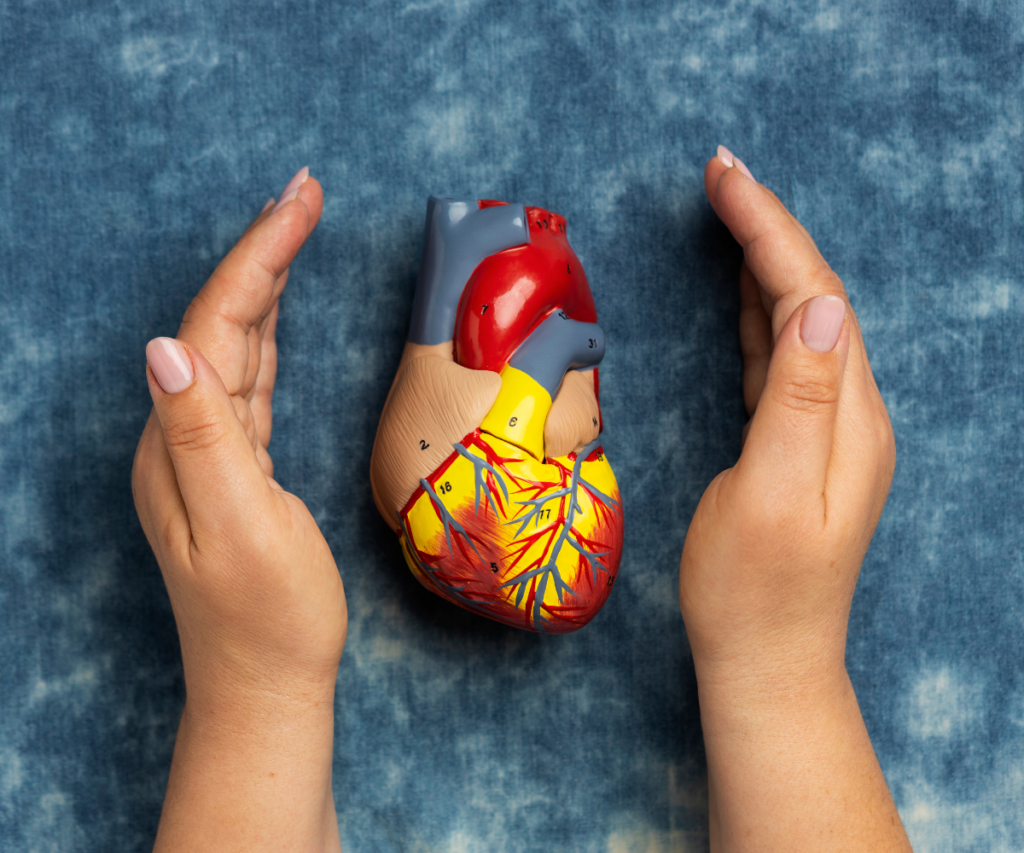
Understanding how the heart works, recognizing symptoms, knowing causes, and seeking early treatment are essential steps in managing this condition. Through proper care, lifestyle adjustments, and medical support, individuals with can maintain an active, meaningful life while protecting their health.