
How the Lungs Work: A Complete Guide to Healthy Breathing
Understanding how the lungs work is essential for recognizing lung-related conditions and maintaining a healthy respiratory system. The lungs play a vital role in delivering oxygen throughout the body while removing carbon dioxide, a waste gas produced during metabolism. By learning how this process functions, individuals can better protect their respiratory health, identify early signs of problems, and make informed decisions about their overall well-being.
The Basic Structure of the Lungs: Understanding How the Lungs Work
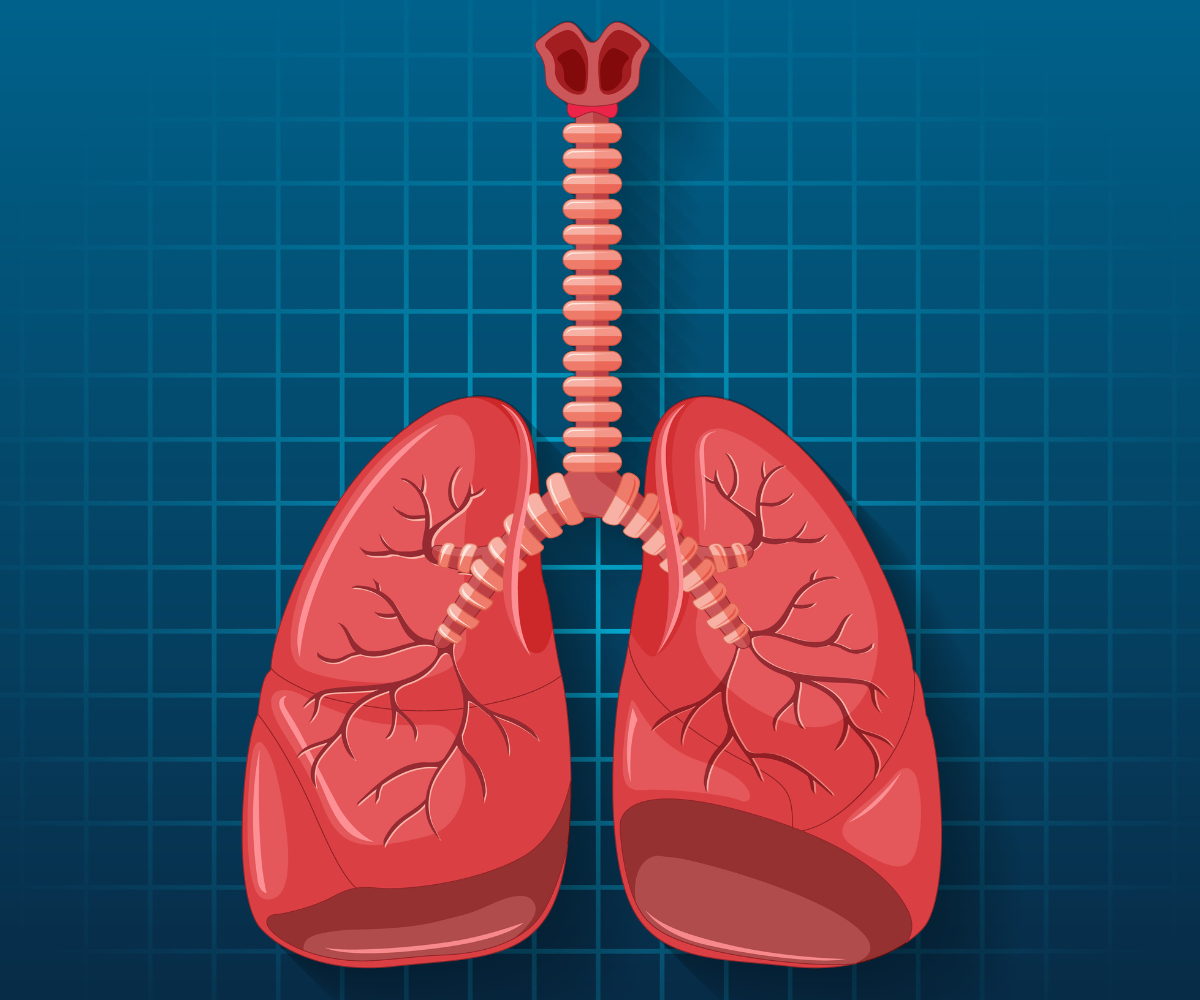
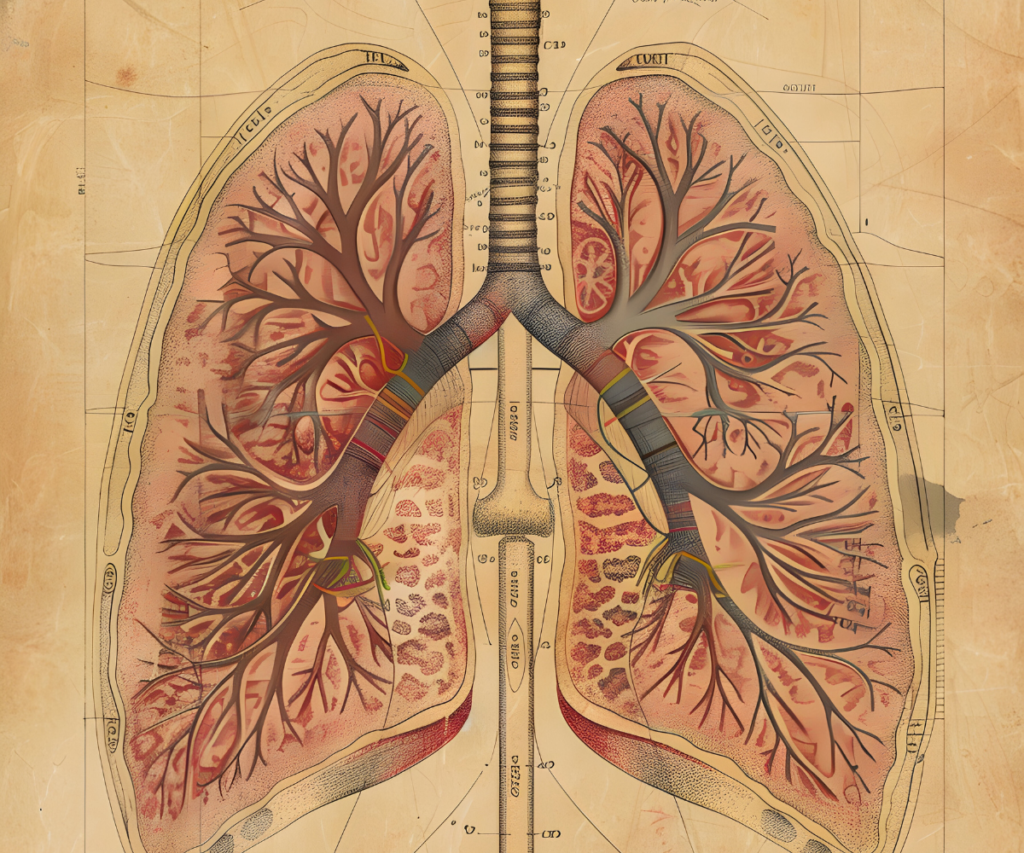
The human chest contains two lungs, positioned on either side of the heart and protected by the ribcage.
- The right lung has three lobes.
- The left lung has two lobes to create space for the heart.
Even though lungs are soft and spongy, they perform one of the most important tasks in the body: bringing oxygen in and sending carbon dioxide out.
How Air Enters the Body and Supports Lung Function
Breathing begins when air enters through the nose or mouth.
- Nose breathing is preferred because it filters out pollutants, warms the air, and adds moisture.
- Mouth breathing is common during exercise or when the body requires more oxygen quickly.
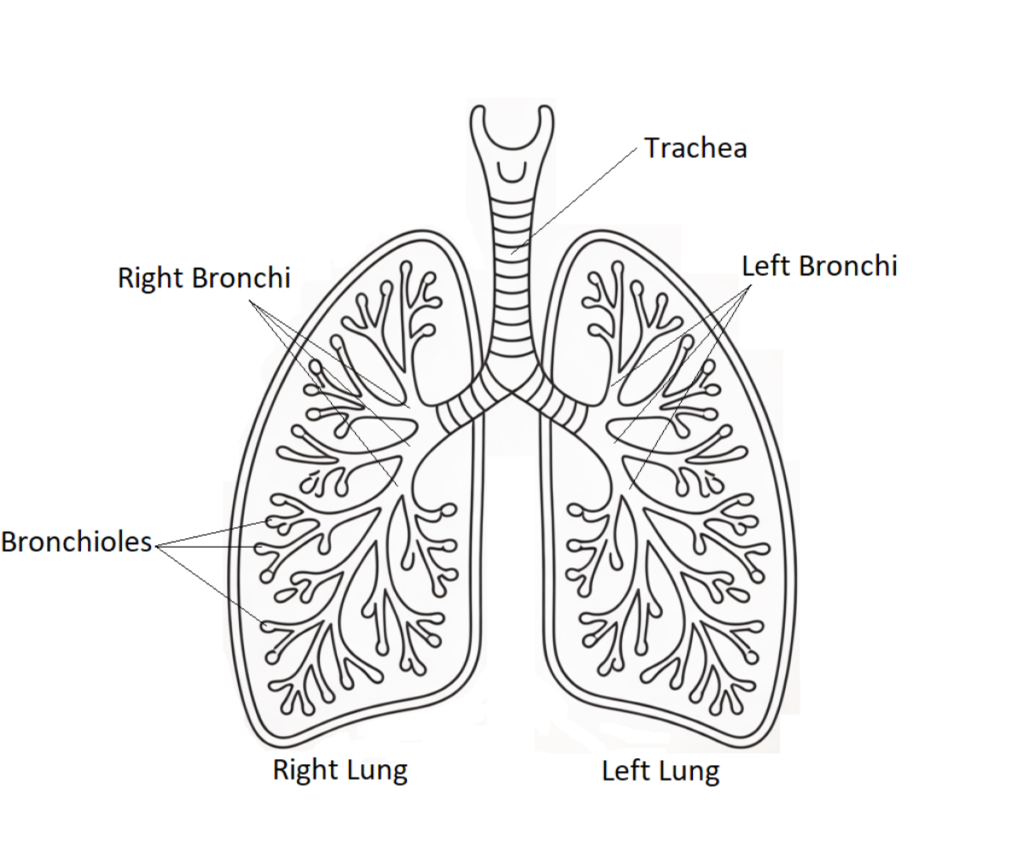
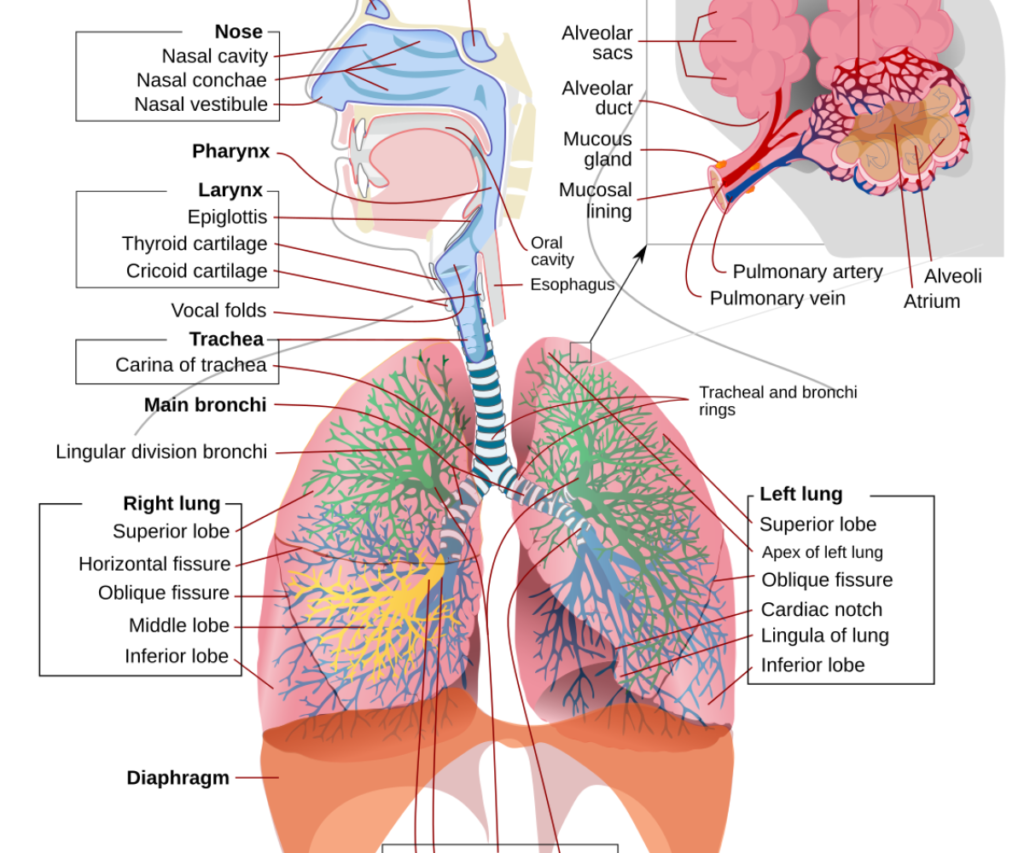
Once air enters, it moves through a well-structured pathway:
- Nose/Mouth → Trachea (Windpipe)
- Trachea → Two Bronchi (Left and Right)
- Bronchi → Smaller Bronchioles
- Bronchioles → Alveoli (Air Sacs)
The epiglottis, a small flap in the throat, prevents food from entering the windpipe. When food mistakenly enters the airway, coughing or choking may occur.https://www.youtube.com/watch?v=8NUxvJS-_0k
The Alveoli: Where Gas Exchange Happens
At the end of the breathing tubes are tiny balloon-like sacs called alveoli.
- More than 300 million alveoli exist in healthy lungs.
- When flattened out, they cover the area of a tennis court.
These sacs allow a large exchange surface so the body can absorb the oxygen it needs.
Each alveolus is surrounded by tiny blood vessels called capillaries. Here, an essential exchange takes place:
- Oxygen moves from the air into the blood.
- Carbon dioxide moves from the blood into the alveoli to be exhaled.
This constant exchange keeps the body functioning efficiently.
The Role of Oxygen and Carbon Dioxide
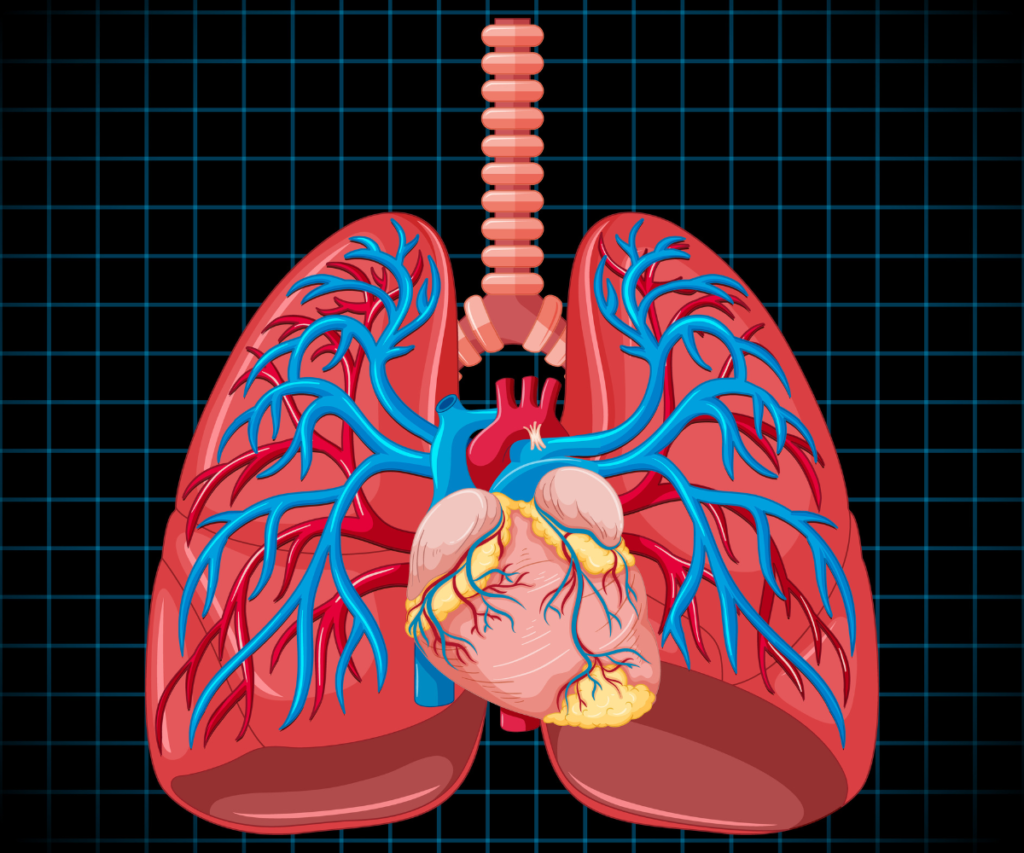
The lungs and heart work together to transport gases:
- Oxygen-rich blood travels from the lungs to the left side of the heart, which pumps it to the body.
- After delivering oxygen to muscles and organs, the now oxygen-poor (venous) blood returns to the right side of the heart.
- This blood is then pumped back to the lungs to release carbon dioxide and receive fresh oxygen.
This cycle ensures the body has a steady energy supply.
The Muscles That Make Breathing Possible
Breathing is a natural, continuous process supported by several muscles:
The Diaphragm – The Main Breathing Muscle
The diaphragm is a large, dome-shaped muscle below the lungs.
- When it contracts, it flattens and pulls downward, causing air to flow into the lungs (inhalation).
- When it relaxes, the lungs return to their resting shape and air moves out (exhalation).
Other Muscles That Assist in Breathing
- Intercostal muscles between the ribs
- Scalene muscles in the neck
- Additional neck and shoulder muscles during heavy breathing or exercise
How the Lungs Protect Themselves
The respiratory system has several natural defense mechanisms:
Filtering Through the Nose
The nose traps dust and large particles, stopping them from reaching the lungs.
Mucus and Cilia – The Body’s Cleaning System
A thin layer of mucus lines the airways, trapping irritants. Tiny hair-like structures called cilia push this mucus upward toward the throat, where it is swallowed without conscious effort.
Coughing
A cough clears irritants or mucus quickly. While common, frequent coughing may indicate irritation or illness.
Bronchospasm – Tightening of Airways
When the airways sense an irritant, surrounding muscles tighten.
This can:
- Narrow the breathing tubes
- Cause wheezing
- Make breathing difficult
This response is especially common in individuals with asthma.
Immune Defense in Alveoli
Alveoli do not have cilia. Instead, immune cells like macrophages break down foreign particles, protecting the lungs from infection.
Why Understanding Lung Function Matters
Knowing how the lungs work helps individuals:
- Recognize early symptoms of respiratory conditions
- Make lifestyle choices that support lung health
- Understand doctor’s recommendations
- Avoid habits that damage the lungs such as smoking or exposure to pollutants
Conclusion
The lungs are remarkable organs that work constantly to supply the body with oxygen and remove harmful carbon dioxide. Their structure—from the airways to the alveoli—and the coordinated action of breathing muscles ensure a smooth and continuous breathing process. By understanding how the lungs function and protect themselves, individuals can take proactive steps to support long-term respiratory health.