The Small Plates That Stole Dinner: How Restaurant Snacks Are Changing Britain’s Food Scene
The Rise of Restaurant Snacks
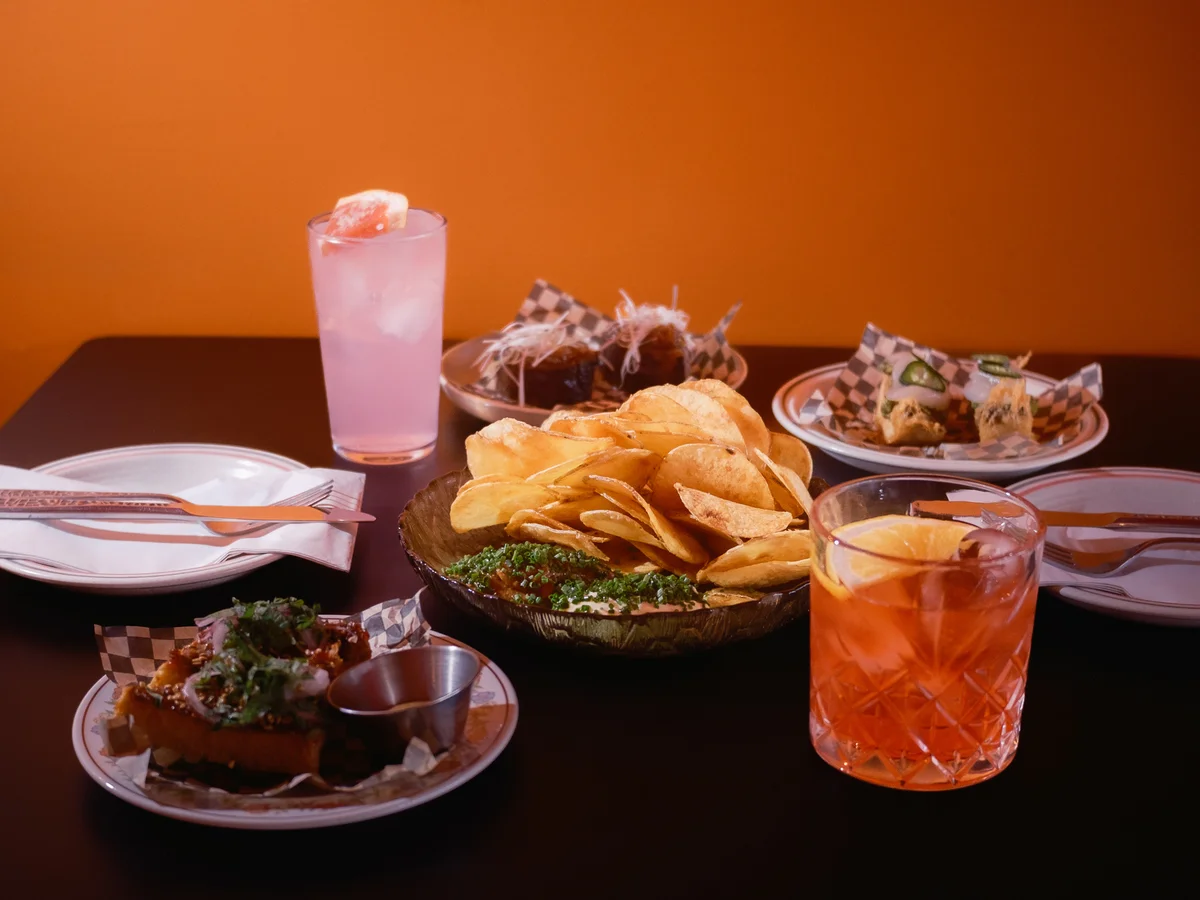
In Britain, restaurant snacks are no longer an afterthought. From cheese puffs to tuna eclairs, chefs are putting creativity front and center. At Elliot’s in Hackney, London, the snack menu sets the tone for a lively dining experience. Blond-wood interiors, natural wine, and playful music create the perfect backdrop. But it’s the snacks—plump Isle of Mull cheese puffs, fried potatoes with aïoli, and cheesecake—that steal the show.
Signature Snacks That Delight
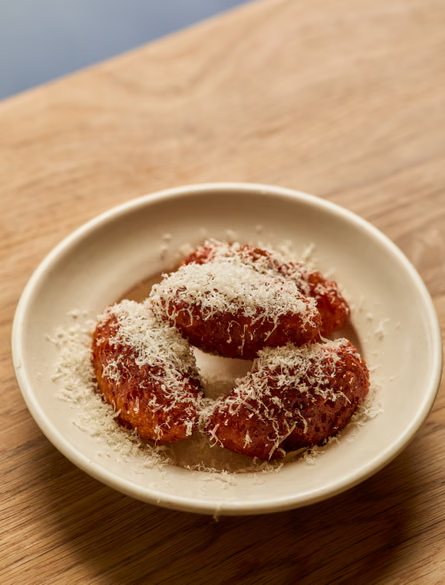
The Isle of Mull cheese puffs were a “happy accident,” says co-owner Samantha Lim. Crispy outside, gooey inside, these cheesy bites have remained on the menu since 2012. Other standout snacks include potato flatbreads with creme fraiche and trout roe, or mangalitsa saltimbocca with quince. Each dish is designed to deliver maximum flavour in one or two bites, creating an instant connection with diners.
Snacks Beyond the Starter
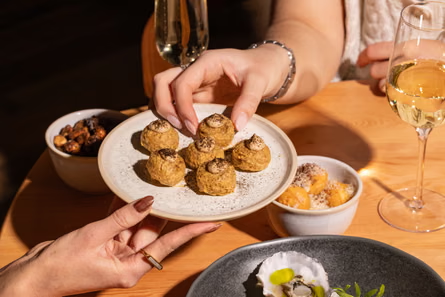
Once reserved for pubs or Michelin-starred canapés, snacks have evolved into serious culinary creations. Restaurants across the UK are embracing this trend:
- Carbone, Mayfair: Bowls of bread, charcuterie, and fresh crudités.
- Lilibet’s, London: Tuna loin gildas and anchovy eclairs.
- Pip, Manchester: Cheese gougères, toasted yeast puffs, and split-pea chips with mushroom ketchup.
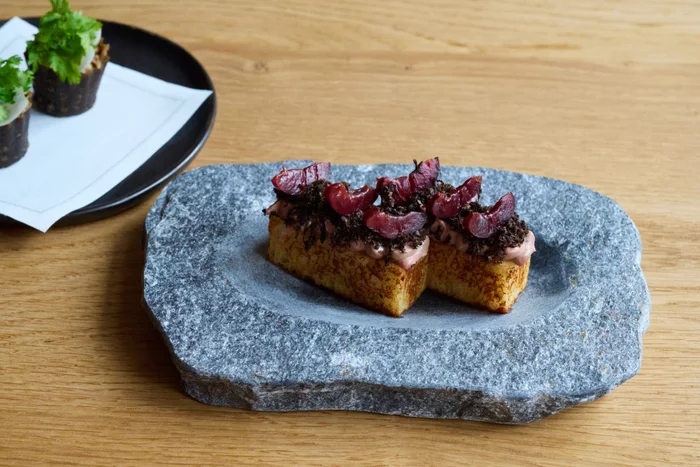
- Maré, Hove: Toasted brioche with liver parfait, preserved cherries, and winter truffle.
Why Snacks Work
Psychologist Charles Spence explains that snacks appeal to several trends: smaller meals, casual dining, and social experiences. They are informal, often handheld, and encourage sharing. According to Zak Hitchman, snacks allow chefs to showcase creativity in single bites. Emma Lyons of Bristol’s Other adds that snacks offer diners “interesting flavours and textures without committing to a full meal.” https://www.youtube.com/watch?v=8IRnxjueN2E
Chefs Embracing Snack Menus
Many chefs now treat snacks as an art form. At Other, tempura grey mullet with miso-cured scallop and blood-plum syrup combines crunch, smooth textures, and complex flavours. Snacks have even replaced starters on some menus, becoming the highlight for diners who want a taste of the chef’s skill.
Snacks as Business Strategy
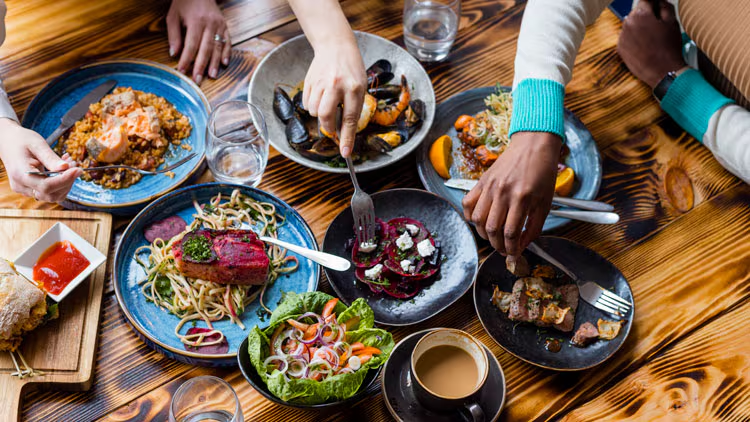
Restaurant snacks are not just fun—they’re profitable. Using leftover ingredients like offcuts or crab meat reduces waste while creating high-margin dishes. Offering snacks at quieter times attracts new customers and keeps neighbourhood diners engaged. For instance, Elliot’s pig cuts are repurposed into pork crackling for the snack menu, while leftover brown crab meat makes a flavourful mayo for crab cakes.
A Fun and Social Dining Experience
Ultimately, restaurant snacks make dining enjoyable and interactive. They encourage sharing, experimentation, and discovery. As Lim says, snacks are “a fun ice-breaker, a warm, delicious way to start a meal, or even the main event on their own.” Across Britain, small bites are changing how we think about dinner—one snack at a time.